vivo and UNESCO MAB Bring Young Voices Together in Italy to Capture the Future
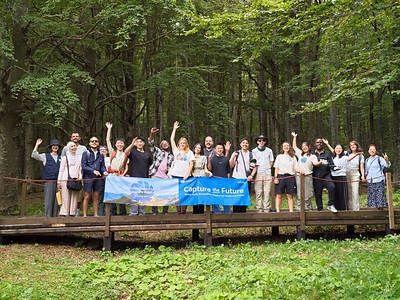
PONTREMOLI, Italy, Sept. 7, 2026 /PRNewswire/ -- vivo and the UNESCO Man and the Biosphere (MAB) Programme have brought the 2026 Capture the Future: Global Youth Storytelling Initiative for People and Nature to its final chapter with a five-day Co-Creation Camp in the Appennino Tosco Emiliano Biosphere Reserve, held from August 31 to September 5 and bringing together 15 young creators from around the world.
Selected through the initiative's global open call, the students, young photographers and visual storytellers came together in Italy to explore the relationship between people and nature through immersive field experiences, expert-led sessions and collaborative visual storytelling. Using vivo smartphones, they created original photo essays and short films.
From a global call to a shared creative journey
Launched by vivo and UNESCO MAB in March 2026, Capture the Future invited young people to share visual stories about the relationship between people and nature in UNESCO Biosphere Reserves. The global call received 745 submissions from young people in 98 countries, with stories linked to more than 120 UNESCO Biosphere Reserves across the World Network.
The initiative's reach extended beyond the global call as well. In April, a series of capacity-building workshops brought visual storytelling and the people-and-nature theme to students from Penang Hill in Malaysia to the University of Alexandria in Egypt, before culminating in a session at the University of Milan — engaging more than 600 students.
The Co-Creation Camp marked the culmination of this year-long journey. Guided by a multidisciplinary mentor team including vivo imaging expert Keshav Chugh, UNESCO MAB communication specialist Manoel Giffoni, ZEISS Ambassador Solli Kanani and award-winning film director Marko Roth, the 15 selected creators explored the landscapes, biodiversity, traditions and communities of the Appennino Tosco Emiliano Biosphere Reserve, turning their observations and experiences into original visual stories.
"This experience allowed me to capture my impressions of the past, the present and the future of the Biosphere Reserves. We all found a common meaning within different realities and this connection will stay deep in my heart."
— Lea Meny, Germany
"What touched me most was their curiosity, openness, and strong connection to their own places and communities. Many of their stories are deeply personal, while also connected to bigger questions about nature, culture, and the future."
— Solli KANANI, Co-Creation Camp Mentor
From local stories to a global audience
On September 5, the Camp closed with an exhibition and screening event, during which participants presented their visual works to local audiences. The stories created during the Camp will continue their journey beyond Italy, with selected works to be shared through vivo and UNESCO MAB's global platforms. A documentary will also capture the creative journey and experiences of the young storytellers.
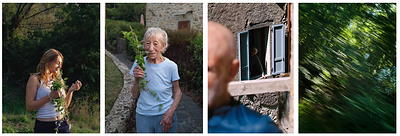
From the global open call and campus workshops to the Co-Creation Camp, Capture the Future has created a platform for young people to observe, create, and share stories about people and nature. As the initiative continues, the work of the visual storytellers will continue to connect local experiences to a global conversation about a more sustainable future.
 View original content to download multimedia:https://www.prnewswire.co.uk/news-releases/vivo-and-unesco-mab-bring-young-voices-together-in-italy-to-capture-the-future-302871319.html