LONGi Makes S&P Global Energy Premier List of Tier 1 Cleantech Companies 2026
XI'AN, China, July 15, 2026 /PRNewswire/ -- LONGi Green Energy Technology Co., Ltd., one of the world's leading Solar-plus-Storage companies, has been named to the 2nd annual list of S&P Global Energy's Tier 1 Cleantech Companies. After being recognized in the inaugural 2025 edition, LONGi once again secures its place among a select group of cleantech suppliers – one of only 15 companies worldwide to receive this distinction in the category.
S&P Global Energy draws on its unique cross-divisional capabilities to build the list upon a robust and defined 6-point criteria methodology. The assessment spans market presence and cumulative equipment shipments, annual market share, scale, global manufacturing diversification, financial performance via key financial indicators, and sustainability factors.
"What makes S&P Global Energy Tier 1 different is the breadth and depth of the data behind it. We look beyond market share, drawing on S&P Global's proprietary data on market leadership, financial performance and sustainability to provide a more complete picture of supplier strength," said Edurne Zoco, Ph.D., Head of Clean Technologies and Supply Chains, S&P Global Energy. "Our Tier 1 recognition is designed to help cleantech suppliers stand out in a crowded market while giving developers and investors a clearer way to identify companies with a proven track record and stronger foundations for long-term success."
The S&P Global Energy Tier 1 Cleantech Companies List 2026 is not a placement ranking, but a roster of qualified companies meeting S&P Global Energy's robust methodology assessment and listed in alphabetical order by category. The companies considered are drawn from the top 30 in each of the five technology categories – Solar PV Modules, Solar PV Inverters, Energy Storage Systems, Energy Storage Battery Cells, and Wind Turbines – based on the largest shipments or installations globally in the previous year.
For LONGi, inclusion in this list for the 2nd consecutive year reinforces the company's competitive standing and brand credibility with authoritative third-party validation. It signals trust and reliability to partners across global clean energy project financing, large-scale power station tenders, and supply chain due diligence.
The recognition is also the first supplier classification in the cleantech industry to embed sustainability as a key criterion. The list will be updated annually, and therefore, reflect any changes that can occur year to year, depending on how the suppliers in each sector evolve in relation to each of the indicators in the assessment. LONGi's repeated Tier 1 recognition rests on a long-standing commitment to product reliability, supply chain transparency and traceability, and the deep integration of corporate social responsibility into its operations.
As clean energy becomes an increasingly critical foundation of global infrastructure, LONGi will continue to move forward with stability, reliability and innovation – working alongside partners to deliver a steady stream of green energy and long-term value to the world.
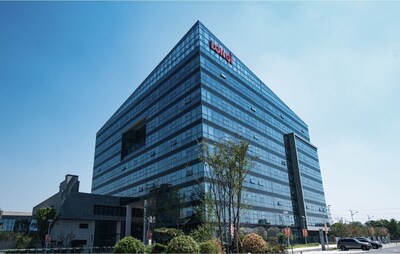
Photo - https://mma.prnewswire.com/media/3005914/LON_Gi_Banner.jpg
Logo - https://mma.prnewswire.com/media/1606520/LONGi_Logo.jpg
 View original content:https://www.prnewswire.co.uk/news-releases/longi-makes-sp-global-energy-premier-list-of-tier-1-cleantech-companies-2026-302825765.html