China Arbitration Summit 2026 & China High-level Dialogue on Maritime and Commercial Arbitration Successfully Held in Beijing
BEIJING, Sept. 20, 2026 /PRNewswire/ -- This is a report from china-asean-media.com.
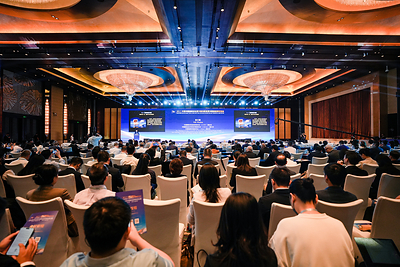
On September 18, the China Arbitration Summit 2026 & China High-level Dialogue on Maritime and Commercial Arbitration was held in Beijing. The event was jointly hosted by the China International Economic and Trade Arbitration Commission (CIETAC), the China Maritime Arbitration Commission (CMAC), the United Nations Commission on International Trade Law (UNCITRAL), and the All China Lawyers Association (ACLA). Nearly 390 representatives from 41 countries and regions attended in person, while online coverage attracted more than 5.14 million views from 55 countries and regions.
In his remarks, Nie Wenhui, Vice Chairman of the China Council for the Promotion of International Trade (CCPIT), called for innovation in arbitration theory, institutions, practice, and culture, as well as rules responsive to contemporary needs, technology-enabled services, and an open and inclusive arbitration ecosystem.
Gao Xiaoli, Vice President of the Supreme People's Court and Justice of the Second Rank, said Chinese courts have worked to foster an "arbitration-friendly" judicial environment through judicial interpretations, annual reports, and joint training for arbitrators and judges. She added that courts would continue improving judicial review of arbitration and supporting its role in international commercial dispute resolution.
Anna Joubin-Bret, Secretary of UNCITRAL, noted that the forum coincided with the 60th anniversary of UNCITRAL and the 70th anniversary of CIETAC. She commended CIETAC's participation in UNCITRAL discussions on issues including electronic arbitral awards and artificial intelligence in arbitration.
CIETAC also released the CIETAC Belt and Road International Arbitration Typical Cases, comprising 12 representative cases involving disputes across multiple regions and sectors, including mining, rail transit, port trade, energy infrastructure, engineering projects, and enforcement of awards.
The commission also signed cooperation agreements with arbitration institutions from Africa, Kyrgyzstan, and Vietnam, covering joint events, information sharing, arbitrator recommendations, and hearing facilities.
Under the theme "International Arbitration in a Changing World," more than 30 Chinese and international experts discussed arbitration order, governance, and core values. The forum was the flagship event of the 14th China Arbitration Week, which featured 77 seminars across 40 cities in 10 countries and regions from September 15 to 21.
 View original content to download multimedia:https://www.prnewswire.co.uk/news-releases/china-arbitration-summit-2026--china-high-level-dialogue-on-maritime-and-commercial-arbitration-successfully-held-in-beijing-302883971.html